


StubHub - Live Event Tickets
StubHub
When I need tickets without committing to a desktop browser, I look for three things first: whether the app makes event discovery easy, whether the buying process feels understandable, and whether it helps me make a sensible choice before I pay. StubHub - Live Event Tickets is built for that exact moment. It is a free events app from StubHub that lets me browse and buy tickets for live entertainment, sports, concerts, and other occasions from an Android phone.
My overall impression is practical rather than flashy. The app is most useful when I already know roughly what I want to attend and need a mobile way to compare available tickets. It is less compelling if I expect a complete local-events guide, a social planning tool, or a guaranteed bargain every time. StubHub is a ticket marketplace, so its value depends heavily on the event, the available inventory, the seat location, and the total cost shown during checkout.
How I decide whether StubHub is the right ticket app
I would judge this app differently from a cinema schedule or a venue’s official application. StubHub is designed around finding and purchasing tickets across many types of live events. That makes breadth and convenience more important than editorial recommendations or deep information about one particular venue.
My first decision criterion is search intent. If I have a specific artist, team, event, or date in mind, a marketplace app can save time by putting available listings in one place. If I am simply looking for something interesting to do nearby, I may prefer a local events calendar or a venue-focused service that gives more context before asking me to choose seats.
The second criterion is how carefully I want to compare tickets. I do not treat the first visible listing as the best option. I check the section, row, quantity, delivery wording, and the final amount before deciding. A lower-looking starting price can become less attractive once the complete checkout total is visible, so I use the app for comparison rather than assuming that the first result is automatically a deal.
Related News

Instagram Is No Longer a Photo App. It Is an Attention Engine

Microsoft Teams Mobile: When Collaboration Becomes Navigation

How the NFL App Adapts to Android and iOS Updates

Temu: Elevate Your Shopping Experience to Billionaire Status

Why Traffic Rider Works Best as a Precision Reflex Game

How Google’s Find Hub Transforms Everyday Searches
The third criterion is urgency. For a planned outing several weeks away, I have time to compare options and check the official venue or organizer channel as well. For a last-minute decision, a mobile marketplace is more useful because I can search while travelling, message friends about a listing, and make a purchase without opening a laptop.
There is also a trust question. A ticket marketplace can offer access to events that are no longer easy to buy through the primary seller, but that convenience means I pay close attention to the listing details and checkout information. I would not purchase while rushing through a crowded station or on a weak connection. I prefer to pause, review everything, and save the confirmation where I can find it later.
What the mobile experience is good at
In everyday use, the strongest part of StubHub is the simple connection between event search and ticket selection. I can start with an event rather than navigating through several unrelated services. That is useful when a friend sends me the name of a concert or when I remember a match but do not know which official channel currently has availability.
Gallery
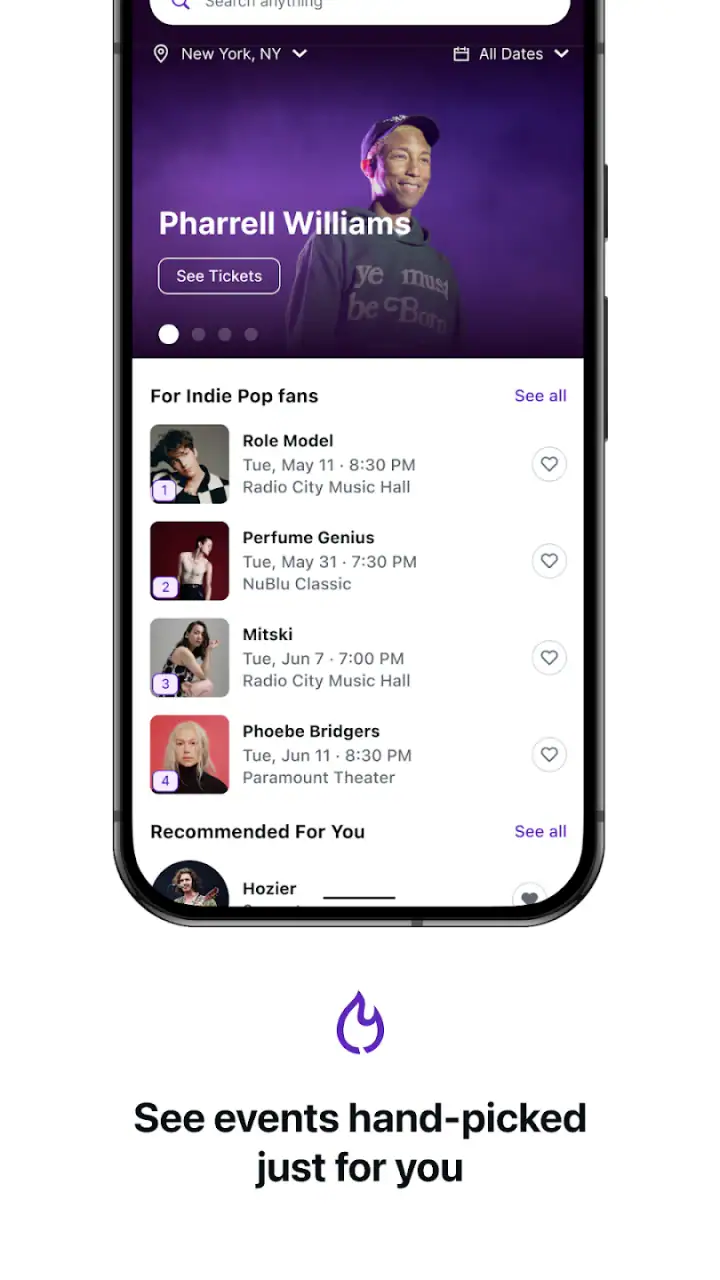
The app also suits people who make plans away from home. Imagine I am having lunch with friends and someone suggests attending a game that evening. I can open StubHub, look for the event, inspect the available choices, and share the relevant details before the conversation moves on. That workflow is more natural on a phone than switching between venue pages, search results, and email threads.
Another useful habit is to treat the app as a comparison workspace. I look at several sections instead of focusing only on the cheapest visible option. Sometimes paying more for a clearer view or a more convenient location may matter more than saving a small amount. At other times, a less central seat is perfectly reasonable for a casual outing. The app helps with that decision, but I still have to make the judgment.
StubHub is available at no charge, which makes it easy to install before I actually need tickets. Its Android listing shows a 4.0 average from around eighty-three thousand ratings, with more than ten million installs. Those figures suggest a substantial user base, but they do not remove the need to inspect each event and listing carefully. A popular marketplace can still feel very different depending on the event I am searching for.
Small habits that make ticket searches more useful
My first tip is to search with flexibility when I have it. I try more than one date or nearby venue if the plan allows. This can reveal a better balance between location and cost than locking myself immediately to one narrow result. It is especially helpful when I am arranging an outing for several people and need seats together.
My second tip is to decide the maximum complete spend before browsing deeply. I do not only set a ticket price target; I decide what I am comfortable paying after the purchase details are shown. This prevents the familiar problem of becoming attached to a seat and then rationalizing a total that no longer fits the original plan.
My third tip is to check quantity and seating together. A cheap single ticket is not useful when I need three seats beside one another. Conversely, if I am attending alone, I may have more flexibility and can consider sections that a group would need to reject. Thinking about the whole party before selecting a listing avoids wasted time.
I also keep the event date and venue visible while comparing. Marketplace searches can contain similar event names, especially when a performer or team appears in several cities. I slow down at the final review instead of relying on a familiar title. That extra pause is one of the most valuable safeguards in a fast mobile purchase.
Where StubHub wins, and where another route may fit better
The strongest case for using StubHub
StubHub makes the most sense when convenience across different event types matters more than staying inside one organizer’s ecosystem. I can use one familiar app for a concert one week and a sporting event another week instead of learning a different ticketing process every time. That consistency is a real advantage for people who attend many kinds of live events.
It is also a sensible option when I want to see marketplace availability rather than only the inventory presented by one primary seller. That does not mean every listing will be better, cheaper, or more suitable. It means I have another place to look when the usual route is sold out, inconvenient, or difficult to use on mobile.
The app is particularly useful for spontaneous plans. If I am already near a venue, travelling to another city, or trying to organize a gift, having event search and ticket buying together reduces the number of steps. I can make a decision from my phone instead of postponing it until I return to a computer.
StubHub is also approachable for people who do not want to maintain several venue applications. The developer is StubHub, and the product has been available since March 9, 2011. Its current Android version is 103.7.38 and it supports Android 8.0 or later, so many users with older but still serviceable phones can try it without needing a recent device.
Situations where the official seller may be better
I would start with the official venue, team, artist, or event organizer when the event is highly important to me and primary-sale availability is still open. The official route may be easier to understand for venue rules, membership benefits, presales, or event-specific instructions. StubHub is valuable as an additional marketplace, but it should not automatically replace the primary source.
For a small local event, the venue’s own page may offer more useful information than a broad marketplace. I may care about parking, doors, accessibility, age restrictions, or a detailed schedule before buying. A specialist venue channel can be better at answering those practical questions because it focuses on one location or organizer.
I would also consider a dedicated sports or concert app if I regularly follow one team or performer. A focused service may provide richer calendars, news, alerts, and account features around that interest. StubHub is better when I want ticket access across categories, not necessarily when I want a complete fan experience.
Why bargain hunters should slow down
The app can help me find options, but it cannot turn every event into a cheap outing. Ticket availability changes, desirable seats can command more, and the final amount deserves attention. I avoid judging value from a headline price alone. The right comparison is the complete purchase cost against the seat, date, location, and importance of the event.
This is where a direct primary seller may be preferable, particularly when it has suitable inventory at a lower total cost. I also compare the same event through more than one channel when the purchase is expensive. That takes a few extra minutes, but it is a better use of time than discovering after checkout that I never checked the official option.
Another limitation is emotional rather than technical: marketplaces encourage quick decisions because I am looking at live availability. I try not to let urgency make the decision for me. If the event is not special enough to justify careful comparison, I probably should not buy the ticket simply because a listing is in front of me.
What changes when switching from another ticket app
The cost of switching to StubHub is low because the app is free and familiar mobile habits transfer easily. The real adjustment is learning to compare marketplace listings with more care than a simple official checkout. I need to review the event identity, seat information, quantity, delivery details, and final amount each time.
If I already use a venue or team application, I would not uninstall it immediately. I would keep the official channel for primary-sale checks and event information, then use StubHub when I need another availability view or a convenient marketplace search. That two-source workflow takes slightly longer, but it gives me a better basis for an important purchase.
People moving from a desktop browser may also need to change how they review information. A phone screen encourages quick scrolling, while ticket decisions benefit from deliberate reading. I use the app for discovery and selection, but I make sure I have enough time and battery to complete the process properly. For a large group, I may still prefer a computer if I need to coordinate several people at once.
The age rating is Everyone, which makes the app broadly accessible from a content-rating perspective. That does not mean every event is suitable for every attendee; the event itself can have its own rules and audience expectations. I check those details separately when buying for children, older relatives, or anyone with accessibility needs.
Who should install it
I recommend StubHub to people who attend a mix of concerts, sports, and other live events and want one mobile place to search for tickets. It is also a good fit for last-minute planners, travellers, and anyone who wants a secondary marketplace available when the official route is inconvenient or sold out.
I would be more cautious recommending it to someone who only attends one local venue, always buys at the primary source, or wants extensive event editorial content. That person may get more value from a venue app, organizer website, or local calendar. I would also tell strict budget shoppers to compare the complete amount before treating any listing as a bargain.
My final recommendation is straightforward: install StubHub if mobile access to a broad range of live-ticket listings is useful to you, but use it as a decision tool rather than an automatic guarantee of the best price or seat. I like the convenience, the cross-category approach, and the ability to search when I am away from my computer. I also think the app rewards patient buyers more than impulsive ones.
With its free entry point, Everyone rating, broad adoption, and support for Android 8.0 or later, it is easy to keep on a phone for the next time an event appears unexpectedly. I would open it, compare the available choices with the official channel, check the full purchase details, and only then commit. For me, StubHub is at its best when it expands my options without replacing my judgment.
FAQs for StubHub - Live Event Tickets
What is StubHub and how does it work?
StubHub is an online platform that facilitates the buying and selling of tickets for live events, including concerts, sports, and theater. Users can browse available tickets, compare prices, and make purchases directly through the app. StubHub also offers a secure payment system and guarantees ticket authenticity, ensuring a safe transaction for buyers.
Is StubHub a reliable source for purchasing tickets?
Yes, StubHub is considered a reliable and reputable platform for purchasing tickets. It has a FanProtect Guarantee that ensures buyers receive valid tickets in time for their event, or they receive a replacement or refund. The app also provides a secure payment process, enhancing the trustworthiness of transactions.
Are there any fees associated with buying or selling tickets on StubHub?
Yes, there are fees associated with transactions on StubHub. Buyers typically pay a service fee on top of the ticket price, while sellers are charged a commission fee on the sale. These fees cover the platform's operational costs and ensure a secure and user-friendly experience. The exact fee amounts may vary, so it’s important to review them during the transaction process.
Can I use StubHub to resell my tickets if I can’t attend an event?
Absolutely! StubHub allows users to resell tickets easily through their platform. You can list your tickets by providing details about the event and setting your own price. StubHub will handle the payment process and delivery to the buyer, making it a convenient option for reselling unwanted tickets.
What should I do if I encounter issues with my StubHub purchase?
If you experience issues with your StubHub purchase, such as not receiving your tickets or problems at the event entry, you should contact StubHub’s customer service immediately. The app provides support via phone, email, and chat to resolve issues efficiently. Their FanProtect Guarantee is designed to protect buyers and ensure a satisfactory resolution.
Pros
- User-friendly interface for easy navigation.
- Wide selection of events and tickets available.
- Secure payment options ensure safe transactions.
- Real-time notifications for ticket updates.
- Option to sell tickets easily on the platform.
Cons
- Service fees can be relatively high.
- No refunds on canceled events without rescheduling.
- Occasional app crashes reported by users.
- Limited customer support response time.
- Some events may have limited ticket availability.


